

Peripheral joint mobilisations are a precise and effective manual therapy technique aimed at improving joint health, reducing pain, and increasing range of motion.
By targeting the peripheral joints (those in the arms, legs, hands, and feet), this therapy can benefit athletes and individuals experiencing joint stiffness, restricted movement, or discomfort.
Whether recovering from an injury or looking to enhance overall joint function, joint mobilisation offers a natural, non-invasive way to improve mobility and alleviate pain.
TREATMENTS
Peripheral Joint Mobilisations: Restoring Joint Health and Mobility
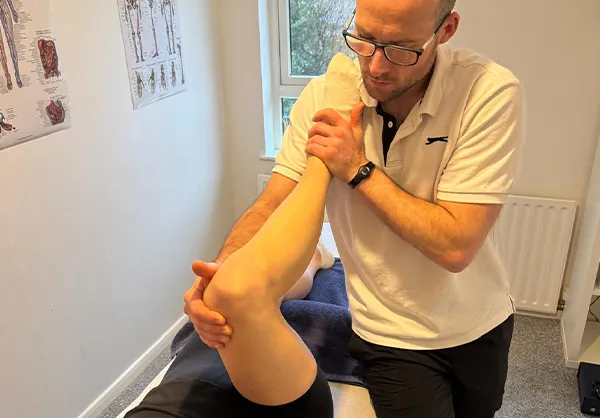
Peripheral joint mobilisations are a precise and effective manual therapy technique aimed at improving joint health, reducing pain, and increasing range of motion.
By targeting the peripheral joints (those in the arms, legs, hands, and feet), this therapy can benefit athletes and individuals experiencing joint stiffness, restricted movement, or discomfort.
Whether recovering from an injury or looking to enhance overall joint function, joint mobilisation offers a natural, non-invasive way to improve mobility and alleviate pain.
What are Peripheral Joint Mobilisations?
Peripheral joint mobilisations involve the manual application of specific, controlled movements to a joint. These movements, performed by a skilled sports therapist, are designed to improve the mobility of the joint and surrounding structures.
The technique is gentle yet effective, focusing on restoring normal joint play (the small, natural movements within the joint that allow for proper function).
This therapy also has a positive impact on the joint’s surrounding tissues, promoting the flow of synovial fluid, which lubricates the joint and nourishes cartilage. For athletes, this ensures joints remain healthy and resilient, even under the stresses of training and competition.
What are Peripheral Joint Mobilisations?
Peripheral joint mobilisations involve the manual application of specific, controlled movements to a joint. These movements, performed by a skilled sports therapist, are designed to improve the mobility of the joint and surrounding structures.
The technique is gentle yet effective, focusing on restoring normal joint play (the small, natural movements within the joint that allow for proper function).
This therapy also has a positive impact on the joint’s surrounding tissues, promoting the flow of synovial fluid, which lubricates the joint and nourishes cartilage.
For athletes, this ensures joints remain healthy and resilient, even under the stresses of training and competition.
How Do Joint Mobilisations Work?
Peripheral joint mobilisations are performed by applying specific pressures and movements to a joint. Depending on the therapeutic goal, the mobilisation can vary in intensity, speed, and direction. The process involves:
1. Assessment of the Joint
The therapist evaluates the joint’s mobility, checking for stiffness, restrictions, or pain during movement. This initial assessment helps determine the appropriate mobilisation technique.
2. Controlled Oscillatory Movements
Using hands-on techniques, the therapist applies small, controlled oscillations to the joint. These movements work within the joint’s natural range of motion, gradually increasing its mobility and reducing pain.
3. Encouraging Synovial Fluid Movement
By mobilising the joint, the technique stimulates the production and movement of synovial fluid. This fluid nourishes the joint cartilage and ensures smooth, pain-free motion.
4. Restoring Joint Mechanics
Peripheral joint mobilisations aim to restore proper alignment and function of the joint, reducing stiffness and enabling better movement patterns.
How Do Joint Mobilisations Work?
Peripheral joint mobilisations are performed by applying specific pressures and movements to a joint. Depending on the therapeutic goal, the mobilisation can vary in intensity, speed, and direction. The process involves:
1. Assessment of the Joint
The therapist evaluates the joint’s mobility, checking for stiffness, restrictions, or pain during movement. This initial assessment helps determine the appropriate mobilisation technique.
2. Controlled Oscillatory Movements
Using hands-on techniques, the therapist applies small, controlled oscillations to the joint. These movements work within the joint’s natural range of motion, gradually increasing its mobility and reducing pain.
3. Encouraging Synovial Fluid Movement
By mobilising the joint, the technique stimulates the production and movement of synovial fluid. This fluid nourishes the joint cartilage and ensures smooth, pain-free motion.
4. Restoring Joint Mechanics
Peripheral joint mobilisations aim to restore proper alignment and function of the joint, reducing stiffness and enabling better movement patterns.
Benefits of Peripheral Joint Mobilisations
Joint mobilisations offer a wide range of benefits, particularly for athletes or anyone experiencing joint dysfunction. Key advantages include:
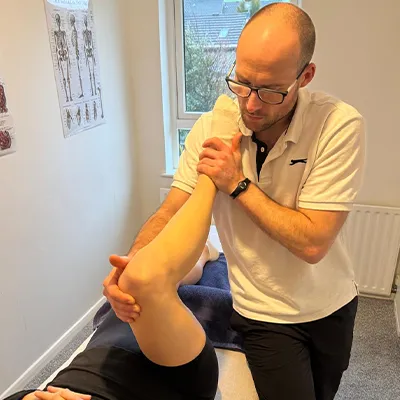
Pain Relief
Joint mobilisations help reduce pain by calming overactive nerves around the joint and promoting natural movement. This makes it especially helpful for conditions like arthritis, sprains, or chronic joint discomfort.
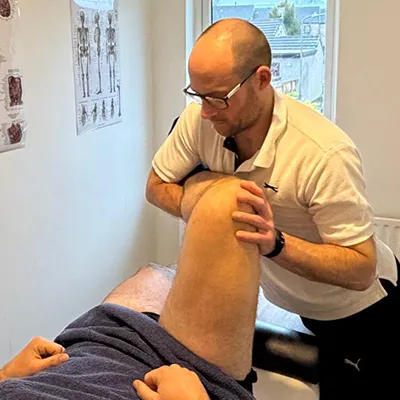
Improved Range of Motion
By addressing stiffness and restrictions, mobilisations enable the joint to move more freely, enhancing overall mobility and athletic performance.
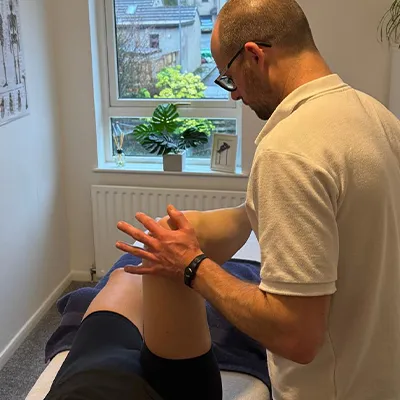
Enhanced Joint Nutrition
Mobilisations promote the flow of synovial fluid, which delivers essential nutrients to the joint cartilage. This is vital for joint health and longevity, particularly in high-impact sports.
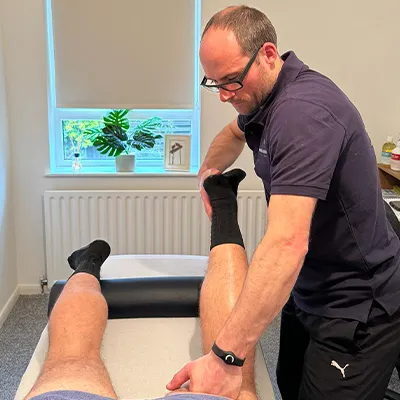
Injury Recovery
For athletes recovering from joint-related injuries such as sprains or overuse injuries, mobilisation helps restore movement and reduce the risk of complications.
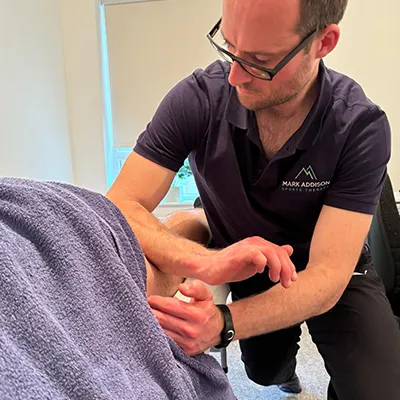
Better Joint Function
Mobilisations help realign and restore the natural mechanics of the joint, improving its overall function and efficiency.
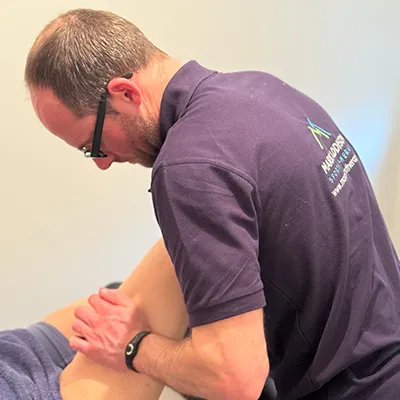
Benefits of Peripheral Joint Mobilisations
Joint mobilisations offer a wide range of benefits, particularly for athletes or anyone experiencing joint dysfunction. Key advantages include:
Joint mobilisations help reduce pain by calming overactive nerves around the joint and promoting natural movement. This makes it especially helpful for conditions like arthritis, sprains, or chronic joint discomfort.
By addressing stiffness and restrictions, mobilisations enable the joint to move more freely, enhancing overall mobility and athletic performance.
Mobilisations promote the flow of synovial fluid, which delivers essential nutrients to the joint cartilage. This is vital for joint health and longevity, particularly in high-impact sports.
For athletes recovering from joint-related injuries such as sprains or overuse injuries, mobilisation helps restore movement and reduce the risk of complications.
Mobilisations help realign and restore the natural mechanics of the joint, improving its overall function and efficiency.
Why Athletes Benefit from Joint Mobilisations
Athletes place significant stress on their joints during training and competition, often leading to stiffness, pain, or reduced range of motion. Peripheral joint mobilisations offer a targeted approach to addressing these issues, ensuring optimal joint health and function. For example:
- Runners
Mobilising the ankle, knee, and hip joints ensures smooth movement and reduces the risk of overuse injuries. - Weightlifters and Cross Fit Athletes
Mobilising the shoulders and wrists helps prevent restrictions that could impair lifting form. - Cyclists
Mobilising the hips and lower back joints can improve posture and pedaling efficiency.
Why Athletes Benefit from Joint Mobilisations
Athletes place significant stress on their joints during training and competition, often leading to stiffness, pain, or reduced range of motion. Peripheral joint mobilisations offer a targeted approach to addressing these issues, ensuring optimal joint health and function. For example:
- Runners
Mobilising the ankle, knee, and hip joints ensures smooth movement and reduces the risk of overuse injuries. - Weightlifters and Cross Fit Athletes
Mobilising the shoulders and wrists helps prevent restrictions that could impair lifting form. - Cyclists
Mobilising the hips and lower back joints can improve posture and pedaling efficiency.
When Should You Consider Joint Mobilisations?
Joint mobilisations are ideal for anyone experiencing stiffness, reduced range of motion, or joint pain. Athletes, in particular, can benefit from this therapy to enhance flexibility, prevent injuries, and recover from training-related stress.
Whether addressing a specific injury or maintaining joint health, peripheral joint mobilisation offers a gentle, effective solution.
When Should You Consider Joint Mobilisations?
Joint mobilisations are ideal for anyone experiencing stiffness, reduced range of motion, or joint pain. Athletes, in particular, can benefit from this therapy to enhance flexibility, prevent injuries, and recover from training-related stress.
Whether addressing a specific injury or maintaining joint health, peripheral joint mobilisation offers a gentle, effective solution.