

Trigger point therapy is a specialised form of manual therapy focused on identifying and deactivating painful nodules, or ‘trigger points’, within muscle tissue. These trigger points (often described as hyper-irritable spots) can cause localised pain or radiating discomfort in other areas of the body.
By applying targeted pressure and other techniques, trigger point therapy reduces pain, restores function, and improves range of movement.
For athletes and active individuals, trigger point therapy offers an effective solution to address muscle tension, enhance performance, and prevent further injury.
TREATMENTS
Trigger Point Therapy: Targeted Relief for Pain and Tension

Trigger point therapy is a specialised form of manual therapy focused on identifying and deactivating painful nodules, or ‘trigger points’, within muscle tissue. These trigger points (often described as hyper-irritable spots) can cause localised pain or radiating discomfort in other areas of the body.
By applying targeted pressure and other techniques, trigger point therapy reduces pain, restores function, and improves range of movement.
For athletes and active individuals, trigger point therapy offers an effective solution to address muscle tension, enhance performance, and prevent further injury.
What are Trigger Points?
Trigger points are small, taut knots that form within a muscle when it becomes stressed or overused. These nodules are caused by localised muscle contractions, which restrict blood flow and create a cycle of tension and pain. Trigger points can develop for various reasons, including:
- Overuse or repetitive strain (common in athletes)
- Poor posture or body mechanics
- Muscle imbalances or weakness
- Stress or emotional tension
Trigger points can cause:
- Localised Pain: Felt directly at the site of the nodule.
- Referred Pain: Discomfort radiating to other areas, such as a trigger point in the neck causing headaches.
- Restricted Range of Motion: Trigger points can limit muscle function and flexibility.
What are Trigger Points?
Trigger points are small, taut knots that form within a muscle when it becomes stressed or overused. These nodules are caused by localised muscle contractions, which restrict blood flow and create a cycle of tension and pain. Trigger points can develop for various reasons, including:
- Overuse or repetitive strain (common in athletes)
- Poor posture or body mechanics
- Muscle imbalances or weakness
- Stress or emotional tension
Trigger points can cause:
- Localised Pain: Felt directly at the site of the nodule.
- Referred Pain: Discomfort radiating to other areas, such as a trigger point in the neck causing headaches.
- Restricted Range of Motion: Trigger points can limit muscle function and flexibility.
How Does Trigger Point Therapy Work?
Trigger point therapy focuses on locating and deactivating these painful areas within the muscle tissue. The process involves several key steps:
1. Identification of Trigger Points
The therapist first performs an assessment, palpating the muscle to locate trigger points. These nodules are typically tender to the touch and pressing them may reproduce referred pain patterns.
2. Application of Pressure
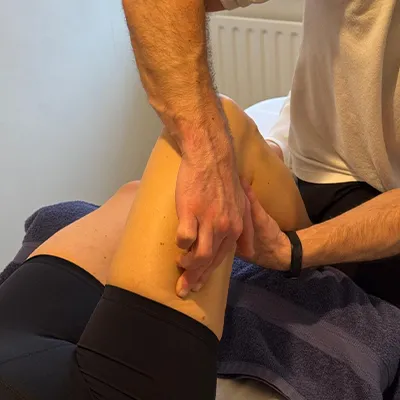
Once identified, the therapist applies sustained pressure to the trigger point using their fingers and thumbs, or specialised tools. The pressure disrupts the tension cycle, encouraging the muscle to relax and release the trigger point.
3. Stretching and Mobilisation
After releasing the trigger point, the therapist may guide the client through gentle stretches or movements to restore muscle length and mobility.
4. Complementary Techniques
Additional techniques, such as heat therapy, myofascial release, or dry needling, may be incorporated to enhance the effects of trigger point therapy.
How Does Trigger Point Therapy Work?
Trigger point therapy focuses on locating and deactivating these painful areas within the muscle tissue. The process involves several key steps:
1. Identification of Trigger Points
The therapist first performs an assessment, palpating the muscle to locate trigger points. These nodules are typically tender to the touch and pressing them may reproduce referred pain patterns.
2. Application of Pressure
Once identified, the therapist applies sustained pressure to the trigger point using their fingers and thumbs, or specialised tools. The pressure disrupts the tension cycle, encouraging the muscle to relax and release the trigger point.
3. Stretching and Mobilisation
After releasing the trigger point, the therapist may guide the client through gentle stretches or movements to restore muscle length and mobility.
4. Complementary Techniques
Additional techniques, such as heat therapy, myofascial release, or dry needling, may be incorporated to enhance the effects of trigger point therapy.
Benefits of Trigger Point Therapy
Trigger point therapy provides a range of benefits, particularly for athletes and individuals experiencing muscle-related pain or dysfunction. These benefits include:
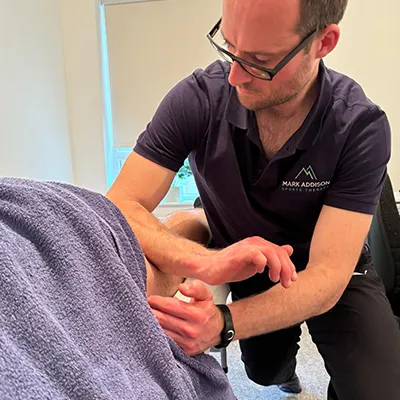
Help Reducing Pain
Deactivating trigger points alleviates both localised and referred pain, offering immediate relief in many cases.
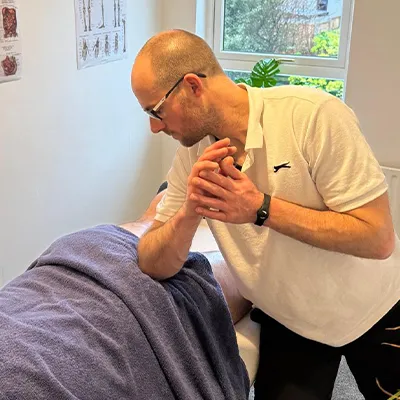
Improved Range of Motion
By addressing the underlying tension, trigger point therapy restores muscle flexibility and joint mobility.
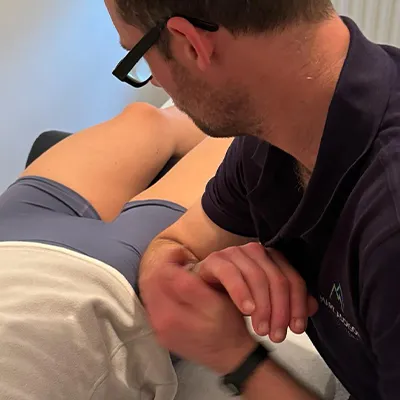
Enhanced Performance
Athletes can perform at their best when muscles are free of tension and pain, allowing for more efficient and powerful movement.
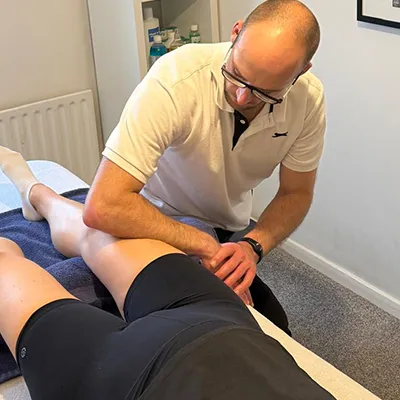
Prevention of Chronic Pain
Untreated trigger points can lead to chronic pain patterns or compensatory movement issues. Regular therapy helps prevent these long-term problems.
Stress Reduction
Releasing muscle tension also reduces overall stress, contributing to a sense of relaxation and well-being.
Benefits of Trigger Point Therapy
Trigger point therapy provides a range of benefits, particularly for athletes and individuals experiencing muscle-related pain or dysfunction. These benefits include:
Deactivating trigger points alleviates both localised and referred pain, offering immediate relief in many cases.
By addressing the underlying tension, trigger point therapy restores muscle flexibility and joint mobility.
Athletes can perform at their best when muscles are free of tension and pain, allowing for more efficient and powerful movement.
Untreated trigger points can lead to chronic pain patterns or compensatory movement issues. Regular therapy helps prevent these long-term problems.
Releasing muscle tension also reduces overall stress, contributing to a sense of relaxation and well-being.
Why Athletes Benefit from Trigger Point Therapy
Athletes put their bodies under constant physical stress, leading to the development of trigger points in overused or tight muscles. Trigger point therapy offers a targeted solution that:
- Speeds Recovery
By reducing pain and muscle tension, therapy allows athletes to recover faster between training sessions. - Improves Efficiency
Restoring muscle function ensures athletes can move with greater precision and efficiency. - Prevents Injuries
Addressing trigger points early helps prevent compensatory movement patterns that could lead to injury.

Why Athletes Benefit from Trigger Point Therapy
Athletes put their bodies under constant physical stress, leading to the development of trigger points in overused or tight muscles. Trigger point therapy offers a targeted solution that:
- Speeds Recovery
By reducing pain and muscle tension, therapy allows athletes to recover faster between training sessions. - Improves Efficiency
Restoring muscle function ensures athletes can move with greater precision and efficiency. - Prevents Injuries
Addressing trigger points early helps prevent compensatory movement patterns that could lead to injury.
Is Trigger Point Therapy Right for You?
Trigger point therapy is often combined with other manual therapies which addresses not only the trigger points but also the surrounding tissues and underlying causes of muscle tension.
Trigger point therapy is ideal for individuals experiencing muscle tension, localised or referred pain, or restricted mobility. It’s especially effective for athletes looking to maintain optimal performance, recover from injury, or prevent chronic pain. With a skilled therapist’s guidance, you can identify and treat trigger points to keep your muscles healthy, flexible, and pain-free.
Is Trigger Point Therapy Right for You?
Trigger point therapy is often combined with other manual therapies which addresses not only the trigger points but also the surrounding tissues and underlying causes of muscle tension.
Trigger point therapy is ideal for individuals experiencing muscle tension, localised or referred pain, or restricted mobility. It’s especially effective for athletes looking to maintain optimal performance, recover from injury, or prevent chronic pain. With a skilled therapist’s guidance, you can identify and treat trigger points to keep your muscles healthy, flexible, and pain-free.