

Deep transverse frictional massage (DTFM) is a targeted manual therapy technique that focuses on the precise application of deep, short, and repetitive strokes across a localised site of soft tissue injury or dysfunction.
Designed to address specific lesions in muscles, tendons, and ligaments, DTFM is a highly effective method for reducing adhesions, relieving pain, improving circulation, and facilitating the healing and remodelling of scar tissue.
For athletes, this therapy is an essential tool in maintaining performance, promoting recovery, and preventing chronic injury.
TREATMENTS
Deep Transverse Frictional Massage: A Precision Technique for Healing and Recovery
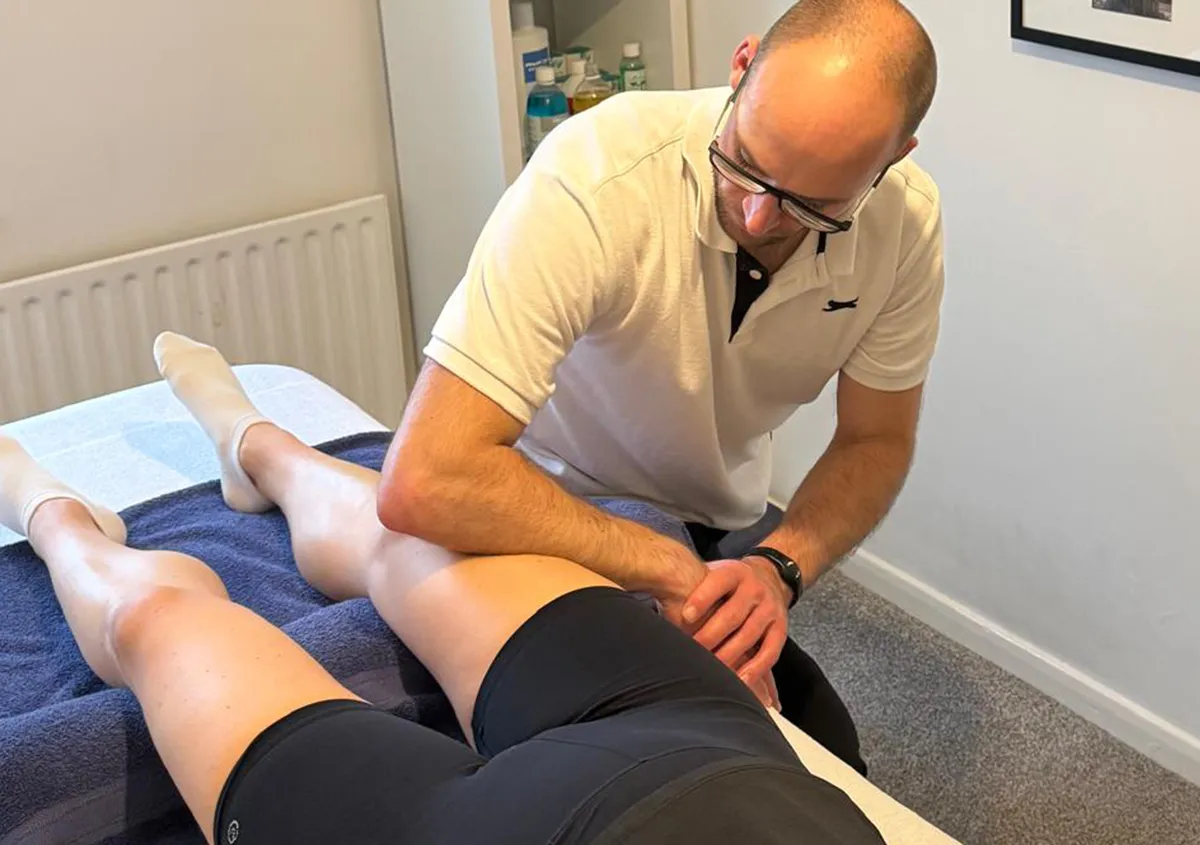
Deep transverse frictional massage (DTFM) is a targeted manual therapy technique that focuses on the precise application of deep, short, and repetitive strokes across a localised site of soft tissue injury or dysfunction.
Designed to address specific lesions in muscles, tendons, and ligaments, DTFM is a highly effective method for reducing adhesions, relieving pain, improving circulation, and facilitating the healing and remodelling of scar tissue.
For athletes, this therapy is an essential tool in maintaining performance, promoting recovery, and preventing chronic injury.
What is Deep Transverse Frictional Massage?
Deep transverse frictional massage is not your typical massage technique. Instead of using broad, sweeping motions, DTFM involves the use of firm, controlled strokes applied perpendicular (transverse) to the fibres of the targeted muscle, tendon, or ligament.
This precise approach allows the therapist to break down adhesions, improve the quality and alignment of new tissue, and stimulate the body’s natural healing response.
Unlike many other therapies that target broad areas, DTFM zeroes in on the exact site of dysfunction, making it an ideal treatment for specific injuries such as tendinitis, ligament sprains, or muscle tears.
By addressing these issues at their source, DTFM helps athletes return to their sport faster and with reduced risk of re-injury.
What is Deep Transverse Frictional Massage?
Deep transverse frictional massage is not your typical massage technique. Instead of using broad, sweeping motions, DTFM involves the use of firm, controlled strokes applied perpendicular (transverse) to the fibres of the targeted muscle, tendon, or ligament.
This precise approach allows the therapist to break down adhesions, improve the quality and alignment of new tissue, and stimulate the body’s natural healing response.
Unlike many other therapies that target broad areas, DTFM zeroes in on the exact site of dysfunction, making it an ideal treatment for specific injuries such as tendinitis, ligament sprains, or muscle tears.
By addressing these issues at their source, DTFM helps athletes return to their sport faster and with reduced risk of re-injury.
How does DTFM work?
The mechanism behind deep transverse frictional massage lies in its ability to stimulate the body’s natural healing processes while addressing soft tissue dysfunction directly. The technique works in several important ways:
1. Breaking Down Adhesions
Adhesions occur when scar tissue forms improperly after an injury, binding muscle fibers or connective tissue in ways that restrict movement and cause pain. DTFM helps break these adhesions, restoring mobility and elasticity to the soft tissues.
2. Optimising Scar Tissue Formation
During the healing process, new collagen fibres form in a disorganised manner. DTFM helps remodel this tissue, encouraging proper alignment of fibres to restore strength and function.
3. Increasing Blood Flow and Circulation
By applying pressure to the affected area, DTFM stimulates blood flow, which delivers oxygen and nutrients essential for tissue repair. Improved circulation also helps clear out waste products from the injured site.
4. Desensitising Painful Tissues
The repetitive, targeted pressure of DTFM stimulates nerve endings, helping to reduce pain perception over time. This can be especially helpful for chronic injuries or pain that persists after the initial healing phase.
How does DTFM work?
The mechanism behind deep transverse frictional massage lies in its ability to stimulate the body’s natural healing processes while addressing soft tissue dysfunction directly. The technique works in several important ways:
1. Breaking Down Adhesions
Adhesions occur when scar tissue forms improperly after an injury, binding muscle fibers or connective tissue in ways that restrict movement and cause pain. DTFM helps break these adhesions, restoring mobility and elasticity to the soft tissues.
2. Optimising Scar Tissue Formation
During the healing process, new collagen fibres form in a disorganised manner. DTFM helps remodel this tissue, encouraging proper alignment of fibres to restore strength and function.
3. Increasing Blood Flow and Circulation
By applying pressure to the affected area, DTFM stimulates blood flow, which delivers oxygen and nutrients essential for tissue repair. Improved circulation also helps clear out waste products from the injured site.
4. Desensitising Painful Tissues
The repetitive, targeted pressure of DTFM stimulates nerve endings, helping to reduce pain perception over time. This can be especially helpful for chronic injuries or pain that persists after the initial healing phase.
Benefits of Deep Transverse Frictional Massage
Deep transverse frictional massage offers a wide range of benefits for athletes and anyone dealing with soft tissue injuries or dysfunction. These benefits include:
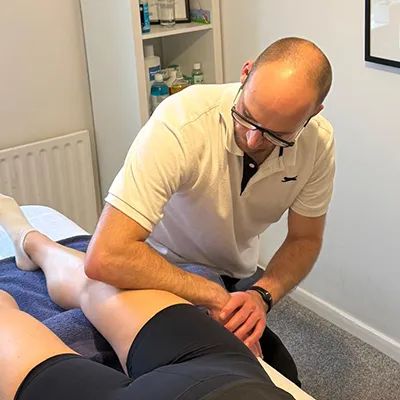
Improved Flexibility
STR helps lengthen and restore elasticity to tight muscles, improving overall range of motion. For runners, this can mean greater stride efficiency and less stiffness after long training sessions.
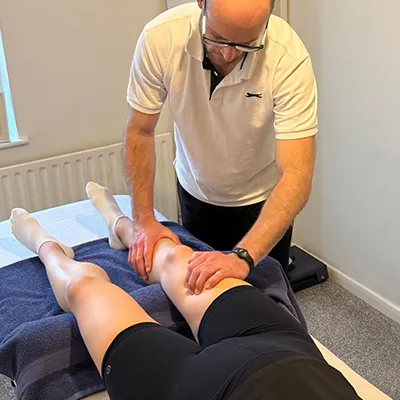
Improved Healing and Recovery
The technique encourages proper scar tissue formation and promotes circulation, both of which are vital for efficient healing.
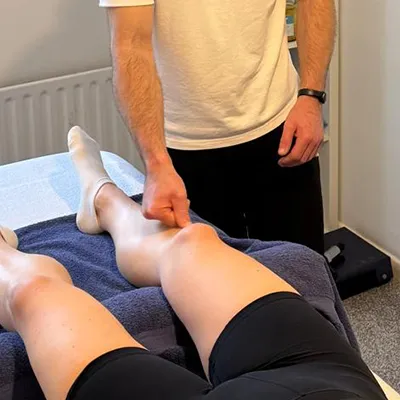
Restoration of Mobility
By breaking down adhesions and restoring elasticity, DTFM helps tissues move more freely, reducing stiffness and improving overall function.
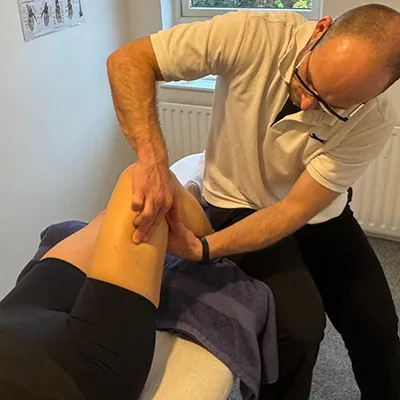
Prevention of Chronic Conditions
When soft tissue injuries aren’t properly treated, they can lead to chronic pain and dysfunction. DTFM addresses these issues early, preventing long-term complications.
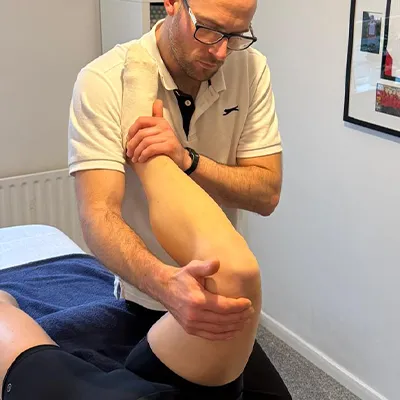
Enhanced Tissue Resilience
Properly aligned scar tissue is more resilient to future injury, making DTFM a valuable tool for athletes who place repeated stress on their muscles, tendons, and ligaments.
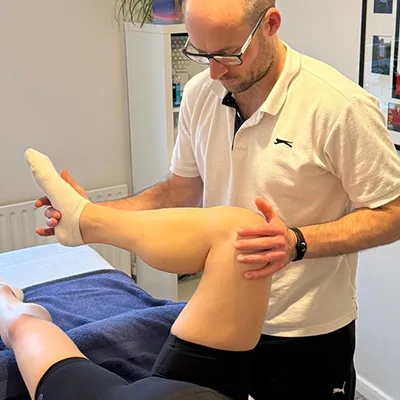
Want to find out more about STR?
If you’re struggling with an injury or condition and think that Soft Tissue Release therapy could be the answer, then please get in touch. We’re happy to chat further and help provide the right treatment for you.
Benefits of Deep Transverse Frictional Massage
Deep transverse frictional massage offers a wide range of benefits for athletes and anyone dealing with soft tissue injuries or dysfunction. These benefits include:
By desensitising the injured area and improving tissue mobility, DTFM can significantly reduce discomfort, allowing athletes to return to training and competition more comfortably.
The technique encourages proper scar tissue formation and promotes circulation, both of which are vital for efficient healing.
By breaking down adhesions and restoring elasticity, DTFM helps tissues move more freely, reducing stiffness and improving overall function.
When soft tissue injuries aren’t properly treated, they can lead to chronic pain and dysfunction. DTFM addresses these issues early, preventing long-term complications.
Properly aligned scar tissue is more resilient to future injury, making DTFM a valuable tool for athletes who place repeated stress on their muscles, tendons, and ligaments.
Why Athletes Benefit from DTFM
Athletes often deal with soft tissue injuries caused by overuse, repetitive strain, or sudden trauma. Deep transverse frictional massage provides a targeted and effective solution for these common issues. For example:
- Runners
Achilles tendinitis and IT band friction syndrome are common injuries for runners. DTFM can help alleviate pain and restore function by addressing adhesions and improving tissue quality. - Racquet Sports Players
Elbow tendinitis (commonly known as tennis elbow) can be treated effectively with DTFM, reducing pain and restoring mobility. - Weightlifters and Cross Fit Athletes
DTFM can address ligament or tendon issues in the shoulders and knees, areas that often bear heavy loads during lifting.
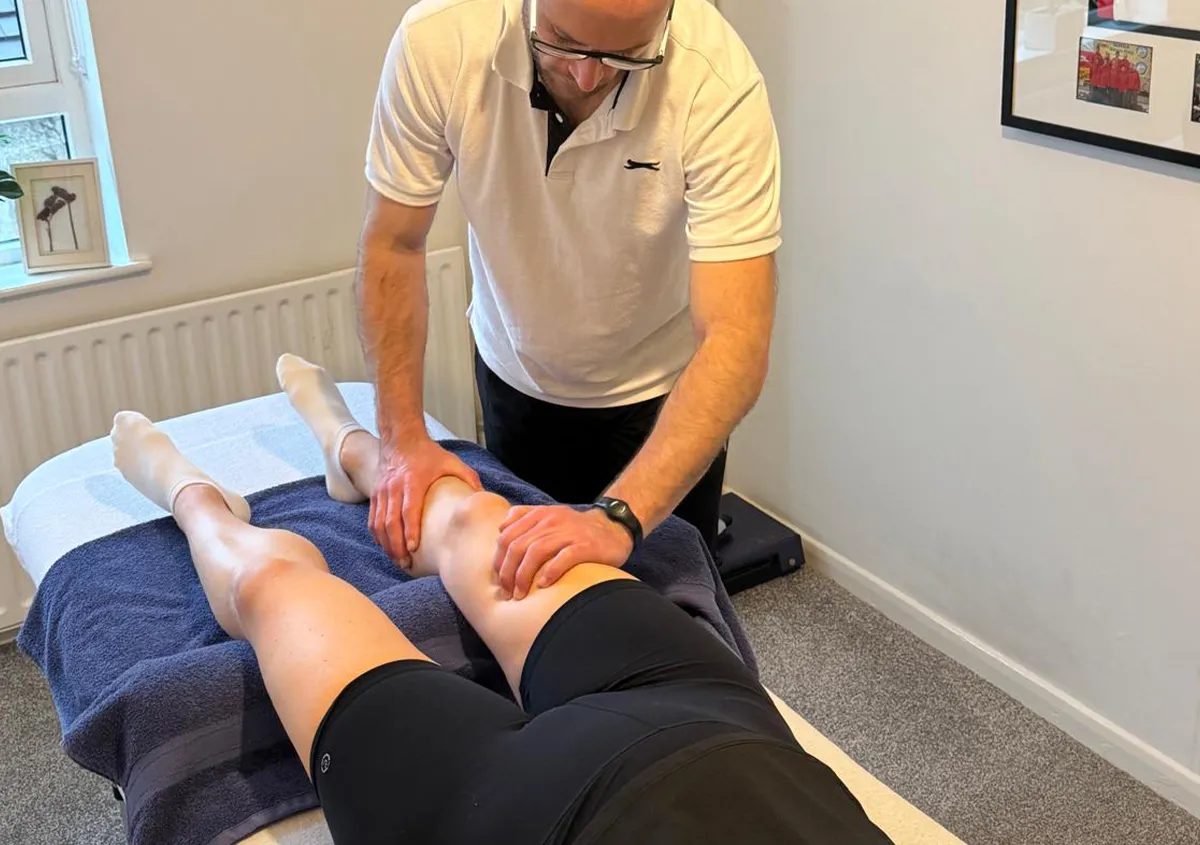
Why Athletes Benefit from DTFM
Athletes often deal with soft tissue injuries caused by overuse, repetitive strain, or sudden trauma. Deep transverse frictional massage provides a targeted and effective solution for these common issues. For example:
- Runners
Achilles tendinitis and IT band friction syndrome are common injuries for runners. DTFM can help alleviate pain and restore function by addressing adhesions and improving tissue quality. - Racquet Sports Players
Elbow tendinitis (commonly known as tennis elbow) can be treated effectively with DTFM, reducing pain and restoring mobility. - Weightlifters and Cross Fit Athletes
DTFM can address ligament or tendon issues in the shoulders and knees, areas that often bear heavy loads during lifting.
Take the Next Step in Your Recovery and Performance
Whether you’re recovering from an injury, managing chronic pain, or looking to enhance your performance, deep transverse frictional massage offers a proven and effective solution.
By working with an experienced sports therapist like Mark Addison, you can target specific problem areas, restore function, and get back to doing what you love with confidence.
Take the Next Step in Your Recovery and Performance
Whether you’re recovering from an injury, managing chronic pain, or looking to enhance your performance, deep transverse frictional massage offers a proven and effective solution.
By working with an experienced sports therapist like Mark Addison, you can target specific problem areas, restore function, and get back to doing what you love with confidence.