

Muscle energy techniques (MET) are a highly effective and interactive form of manual therapy that uses the body’s own energy to restore joint range of motion, improve muscle length, and enhance overall function.
Unlike passive treatments, MET actively involves the client, who engages their muscles against a controlled resistance provided by the therapist. This collaborative approach not only promotes physical recovery but also empowers individuals by integrating their body’s natural strength and movement into the healing process.
Widely used in sports therapy, MET is particularly valuable for athletes who rely on optimal mobility, strength, and proprioception to perform at their best.
TREATMENTS
Muscle Energy Techniques: Harnessing Your Body’s Power for Recovery and Mobility
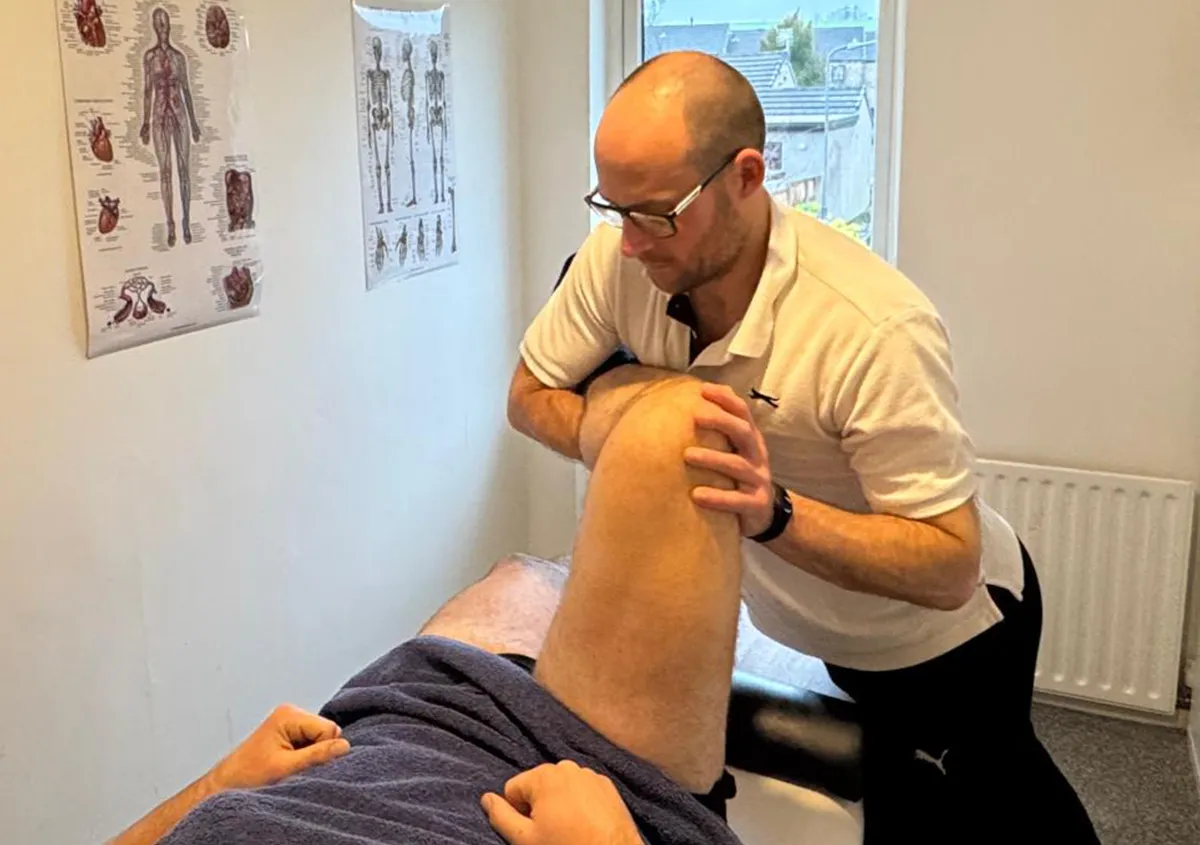
Muscle energy techniques (MET) are a highly effective and interactive form of manual therapy that uses the body’s own energy to restore joint range of motion, improve muscle length, and enhance overall function.
Unlike passive treatments, MET actively involves the client, who engages their muscles against a controlled resistance provided by the therapist. This collaborative approach not only promotes physical recovery but also empowers individuals by integrating their body’s natural strength and movement into the healing process.
Widely used in sports therapy, MET is particularly valuable for athletes who rely on optimal mobility, strength, and proprioception to perform at their best.
What are Muscle Energy Techniques?
Muscle energy techniques are based on the principle of reciprocal inhibition and post-isometric relaxation. These physiological responses occur when muscles contract and release, helping to reset muscle tone, relax tight tissues, and improve joint alignment.
The technique typically involves a cycle of gentle muscle contractions followed by stretches, which progressively enhance flexibility and range of motion.
MET is tailored to the client’s needs, targeting specific muscles or joints that are tight, restricted, or out of balance. This makes it an excellent option for addressing a wide range of musculoskeletal issues, from acute injuries to chronic tension or postural imbalances.
What are Muscle Energy Techniques?
Muscle energy techniques are based on the principle of reciprocal inhibition and post-isometric relaxation. These physiological responses occur when muscles contract and release, helping to reset muscle tone, relax tight tissues, and improve joint alignment.
The technique typically involves a cycle of gentle muscle contractions followed by stretches, which progressively enhance flexibility and range of motion.
MET is tailored to the client’s needs, targeting specific muscles or joints that are tight, restricted, or out of balance. This makes it an excellent option for addressing a wide range of musculoskeletal issues, from acute injuries to chronic tension or postural imbalances.
How Do Muscle Energy Techniques Work?
The process of MET involves several key steps that engage both the client and the therapist in a dynamic treatment session:
1. Assessment of Dysfunction
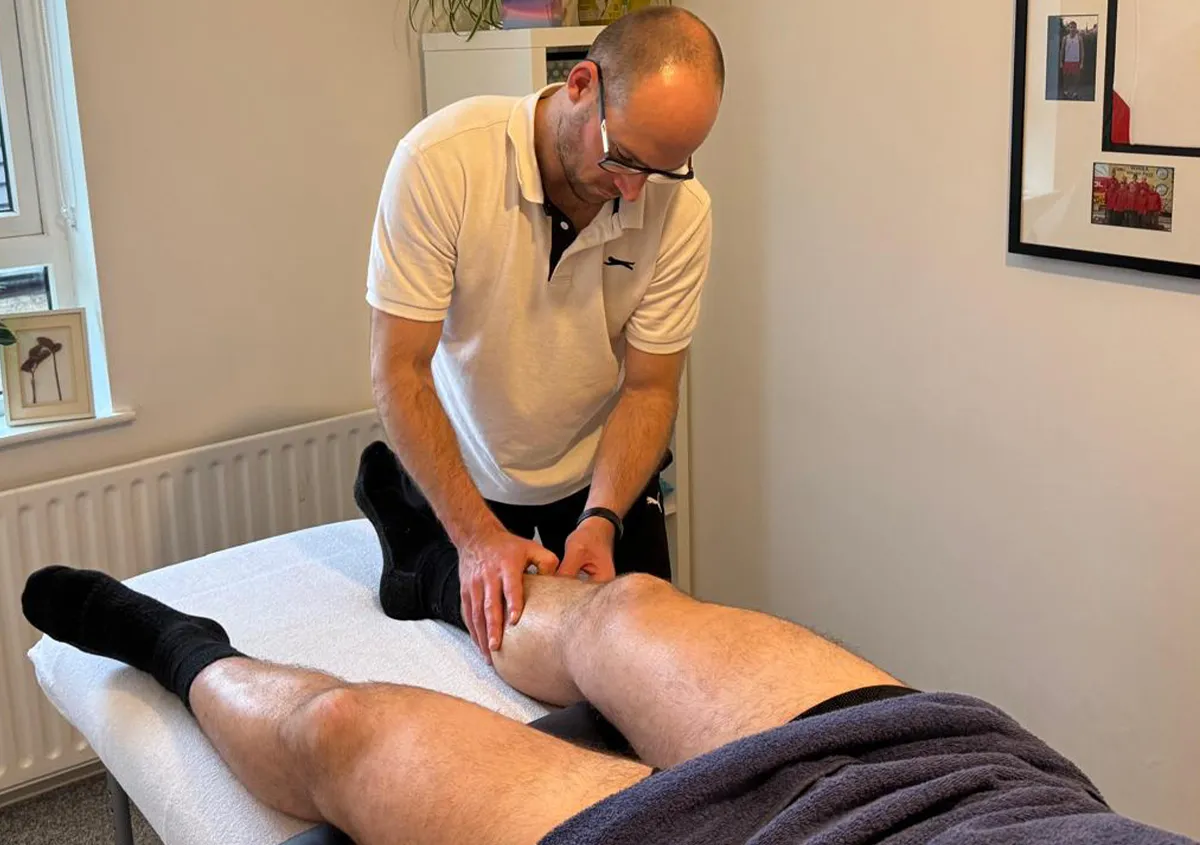
The therapist first identifies areas of restricted movement, tightness, or muscle imbalance. This could be a tight hamstring limiting a runner’s stride or a restricted hip joint affecting a cyclist’s pedalling efficiency.
2. Gentle Contractions Against Resistance
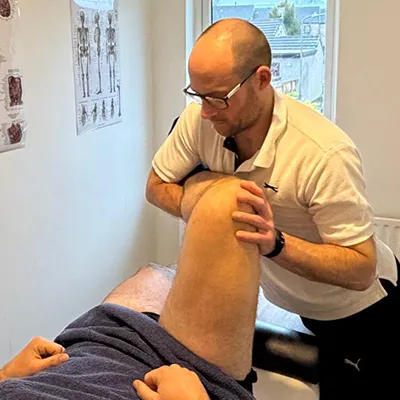
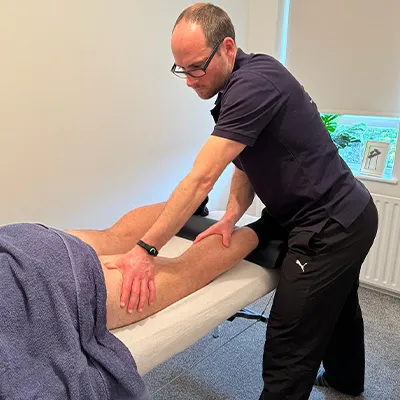
The client is asked to gently contract the target muscle or muscle group while the therapist provides a specific resistance. These contractions are low-intensity and carefully controlled to ensure safety and effectiveness.
3. Relaxation Phase
Following the contraction, the client relaxes the muscle, allowing it to release tension and improve its length. This relaxation phase takes advantage of the body’s natural post-isometric relaxation response.
4. Stretching and Repetition
The therapist then gently stretches the muscle or joint to a new, improved range. This process may be repeated several times, with each cycle building on the previous one to achieve progressive improvement.
5. Functional Integration
After completing the technique, the therapist may guide the client through movements or exercises to integrate the improved mobility into functional patterns.
How Do Muscle Energy Techniques Work?
The process of MET involves several key steps that engage both the client and the therapist in a dynamic treatment session:
1. Assessment of Dysfunction
The therapist first identifies areas of restricted movement, tightness, or muscle imbalance. This could be a tight hamstring limiting a runner’s stride or a restricted hip joint affecting a cyclist’s pedalling efficiency.
2. Gentle Contractions Against Resistance
The client is asked to gently contract the target muscle or muscle group while the therapist provides a specific resistance. These contractions are low-intensity and carefully controlled to ensure safety and effectiveness.
3. Relaxation Phase
Following the contraction, the client relaxes the muscle, allowing it to release tension and improve its length. This relaxation phase takes advantage of the body’s natural post-isometric relaxation response.
4. Stretching and Repetition
The therapist then gently stretches the muscle or joint to a new, improved range. This process may be repeated several times, with each cycle building on the previous one to achieve progressive improvement.
5. Functional Integration
After completing the technique, the therapist may guide the client through movements or exercises to integrate the improved mobility into functional patterns.
Benefits of Muscle Energy Techniques
Muscle energy techniques offer a range of physical benefits that make them particularly effective for athletes and active individuals. These include:
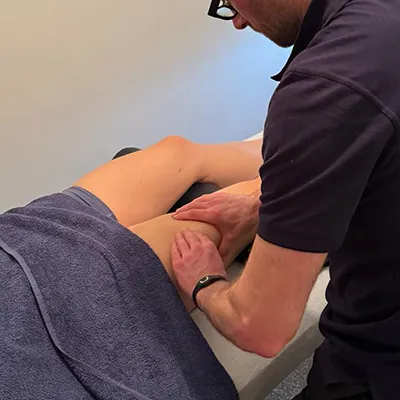
Improved Range of Motion
By addressing muscle tightness and joint restrictions, MET helps restore natural movement patterns, making it easier for athletes to perform at their best.
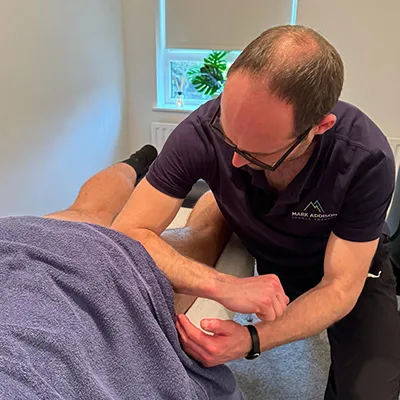
Enhanced Proprioception
Proprioception, the body’s awareness of its position in space, is crucial for balance, coordination, and athletic performance. MET stimulates the proprioceptive system, improving body awareness and control.
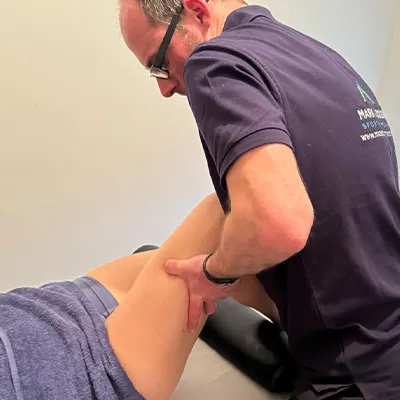
Restoration of Muscle Tone
Tight or inhibited muscles can disrupt the body’s balance and function. MET helps reset muscle tone, ensuring that muscles work together harmoniously.
Increased Functional Strength
By targeting imbalances and promoting efficient muscle activation, MET enhances functional strength, making movements more powerful and efficient.
Scar Tissue Realignment
MET can improve the alignment and elasticity of scar tissue, ensuring it integrates properly into the surrounding muscles and tissues.
Benefits of Muscle Energy Techniques
Muscle energy techniques offer a range of physical benefits that make them particularly effective for athletes and active individuals. These include:
By addressing muscle tightness and joint restrictions, MET helps restore natural movement patterns, making it easier for athletes to perform at their best.
Proprioception, the body’s awareness of its position in space, is crucial for balance, coordination, and athletic performance. MET stimulates the proprioceptive system, improving body awareness and control.
Tight or inhibited muscles can disrupt the body’s balance and function. MET helps reset muscle tone, ensuring that muscles work together harmoniously.
By targeting imbalances and promoting efficient muscle activation, MET enhances functional strength, making movements more powerful and efficient.
MET can improve the alignment and elasticity of scar tissue, ensuring it integrates properly into the surrounding muscles and tissues.
Like any form of massage, sports massage has a calming effect on the nervous system, helping to reduce stress, improve mental clarity, and promote relaxation. This holistic benefit helps athletes recover mentally as well as physically.
Why Athletes Benefit from MET
Athletes rely on a precise balance of mobility, strength, and control to perform at their peak. Muscle energy techniques offer a way to address these needs holistically by:
- Preventing Injuries
Improved muscle length, joint mobility, and proprioception reduce the risk of strains, sprains, and other common sports injuries. - Enhancing Performance
Restoring optimal muscle tone and joint range allows for greater efficiency, speed, and power in athletic movements. - Facilitating Recovery
MET helps alleviate post-training muscle tightness and enhances the body’s ability to recover from physical stress.
Why Athletes Benefit from MET
Athletes rely on a precise balance of mobility, strength, and control to perform at their peak. Muscle energy techniques offer a way to address these needs holistically by:
- Preventing Injuries
Improved muscle length, joint mobility, and proprioception reduce the risk of strains, sprains, and other common sports injuries. - Enhancing Performance
Restoring optimal muscle tone and joint range allows for greater efficiency, speed, and power in athletic movements. - Facilitating Recovery
MET helps alleviate post-training muscle tightness and enhances the body’s ability to recover from physical stress.
Discover the Benefits of Muscle Energy Techniques
Muscle energy techniques are often combined with other therapies to provide a comprehensive approach to treatment and performance enhancement, helping ensure that both the muscles and joints are functioning optimally, promoting long-term health and athletic success.
Whether you’re dealing with muscle tightness, recovering from an injury, or seeking to improve your athletic performance, muscle energy techniques offer a powerful, personalised solution with treatment tailored to your unique needs, helping you move freely, recover faster, and perform better.
Discover the Benefits of Muscle Energy Techniques
Muscle energy techniques are often combined with other therapies to provide a comprehensive approach to treatment and performance enhancement, helping ensure that both the muscles and joints are functioning optimally, promoting long-term health and athletic success.
Whether you’re dealing with muscle tightness, recovering from an injury, or seeking to improve your athletic performance, muscle energy techniques offer a powerful, personalised solution with treatment tailored to your unique needs, helping you move freely, recover faster, and perform better.