

Myofascial release (MFR) is a highly effective manual therapy technique that focuses on releasing tension and restrictions in the fascia – the connective tissue that surrounds muscles, bones, and organs.
The fascia plays a crucial role in supporting and stabilising the body, but when it becomes tight, inflamed, or restricted, it can contribute to pain, decreased mobility, and postural imbalances. By addressing these fascial restrictions, myofascial release helps alleviate discomfort, improve flexibility, and correct alignment.
TREATMENTS
Myofascial Release: Unlocking the Power of Fascia for Pain Relief and Postural Correction

Myofascial release (MFR) is a highly effective manual therapy technique that focuses on releasing tension and restrictions in the fascia – the connective tissue that surrounds muscles, bones, and organs.
The fascia plays a crucial role in supporting and stabilising the body, but when it becomes tight, inflamed, or restricted, it can contribute to pain, decreased mobility, and postural imbalances. By addressing these fascial restrictions, myofascial release helps alleviate discomfort, improve flexibility, and correct alignment.
What is Fascia?
Fascia is a network of connective tissue that spans throughout the body, forming a continuous structure from head to toe. It surrounds muscles, nerves, blood vessels, and organs, providing support and facilitating movement.
Fascia is highly flexible, but when it becomes tight or restricted due to injury, overuse, stress, or poor posture, it can cause pain, stiffness, and dysfunction in the body.
There are two main types of fascia:
- Superficial Fascia: Located just beneath the skin, this layer connects the skin to the underlying muscles and provides support.
- Deep Fascia: Surrounds muscles, bones, and organs, helping to maintain posture and stability.
When fascia becomes restricted or ‘locked’ it can impede movement, disrupt alignment, and contribute to chronic pain patterns. Myofascial release works to address these restrictions, improving the overall function of the fascial system.
What is Fascia?
Fascia is a network of connective tissue that spans throughout the body, forming a continuous structure from head to toe. It surrounds muscles, nerves, blood vessels, and organs, providing support and facilitating movement. Fascia is highly flexible, but when it becomes tight or restricted due to injury, overuse, stress, or poor posture, it can cause pain, stiffness, and dysfunction in the body.
There are two main types of fascia:
- Superficial Fascia: Located just beneath the skin, this layer connects the skin to the underlying muscles and provides support.
- Deep Fascia: Surrounds muscles, bones, and organs, helping to maintain posture and stability.
When fascia becomes restricted or ‘locked’ it can impede movement, disrupt alignment, and contribute to chronic pain patterns. Myofascial release works to address these restrictions, improving the overall function of the fascial system.
How Does Myofascial Release Work?
Myofascial release works by targeting specific areas of the body where fascia has become tight, restricted, or inflamed. The technique involves applying gentle, sustained pressure to the affected area, gradually allowing the fascia to release and realign.
1. Assessment of Fascial Restrictions
The therapist begins by assessing areas of tension or discomfort in the body. These areas are often identified as stiff, sore, or “knotted,” and may feel different from the surrounding tissue.
2. Gentle Pressure and Stretching
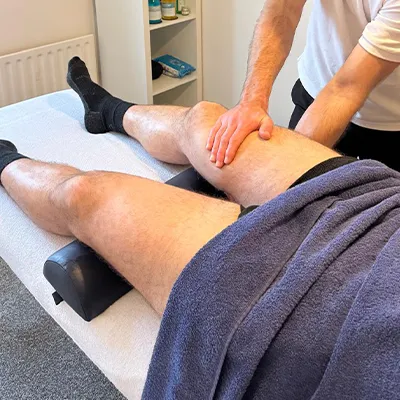
The therapist applies slow, sustained pressure to the restricted fascia, often using their hands, elbows, or forearms. This pressure encourages the fascia to lengthen and release its tightness.
3. Release of Tension
As the fascia begins to release, the therapist may guide the client through gentle stretches or movements to enhance the effects and restore natural range of motion.
4. Integration with Other Therapies
As the fascia begins to release, the therapist may guide the client through gentle stretches or movements to enhance the effects and restore natural range of motion.
How Does Myofascial Release Work
Myofascial release works by targeting specific areas of the body where fascia has become tight, restricted, or inflamed. The technique involves applying gentle, sustained pressure to the affected area, gradually allowing the fascia to release and realign.
1. Assessment of Fascial Restrictions
The therapist begins by assessing areas of tension or discomfort in the body. These areas are often identified as stiff, sore, or “knotted,” and may feel different from the surrounding tissue.
2. Gentle Pressure and Stretching
The therapist applies slow, sustained pressure to the restricted fascia, often using their hands, elbows, or forearms. This pressure encourages the fascia to lengthen and release its tightness.
3. Release of Tension
As the fascia begins to release, the therapist may guide the client through gentle stretches or movements to enhance the effects and restore natural range of motion.
4. Integration with Other Therapies
Myofascial release is often used alongside other treatments, such as trigger point therapy, soft tissue mobilisation, or deep tissue massage, to ensure comprehensive care and address multiple layers of muscle and fascia.
Benefits of Myofascial Release
Myofascial release offers a wide range of physical and therapeutic benefits, particularly for those dealing with pain, tension, and musculoskeletal issues. Some of the key benefits include:

Pain Reduction
By releasing fascial restrictions, MFR helps alleviate pain associated with conditions such as fibromyalgia, chronic back pain, and tension headaches.

Improved Mobility
As the fascia becomes more pliable, joint and muscle movement improves, leading to greater flexibility and range of motion.

Postural Correction
Fascia plays a significant role in maintaining posture. When the fascia is restricted, it can lead to poor alignment. MFR helps correct postural imbalances by restoring proper alignment of the muscles and bones.
Enhanced Circulation
Releasing fascial tension improves blood flow to the affected areas, helping to nourish tissues, remove waste products, and promote healing.

Stress Relief
Because fascia is closely linked to the body’s nervous system, releasing tension in the fascia can have a profound calming effect, helping to reduce stress and anxiety.
Benefits of Myofascial Release
Myofascial release offers a wide range of physical and therapeutic benefits, particularly for those dealing with pain, tension, and musculoskeletal issues. Some of the key benefits include:
By releasing fascial restrictions, MFR helps alleviate pain associated with conditions such as fibromyalgia, chronic back pain, and tension headaches.
As the fascia becomes more pliable, joint and muscle movement improves, leading to greater flexibility and range of motion.
Fascia plays a significant role in maintaining posture. When the fascia is restricted, it can lead to poor alignment. MFR helps correct postural imbalances by restoring proper alignment of the muscles and bones.
Releasing fascial tension improves blood flow to the affected areas, helping to nourish tissues, remove waste products, and promote healing.
Because fascia is closely linked to the body’s nervous system, releasing tension in the fascia can have a profound calming effect, helping to reduce stress and anxiety.
Why Athletes Benefit from Myofascial Release
Athletes rely on their bodies to perform at high levels, and myofascial release offers a powerful way to maintain flexibility, prevent injury, and improve recovery. Specifically, MFR:
- Prevents Injury
By addressing fascial restrictions before they cause injury, MFR helps athletes maintain peak performance and prevent musculoskeletal problems. - Speeds Recovery
After intense training or competition, MFR accelerates the recovery process by releasing tension and improving blood flow to tired muscles. - Improves Performance
With enhanced mobility, flexibility, and posture, athletes can move more efficiently, improving their overall performance.

Why Athletes Benefit from Myofascial Release
Athletes rely on their bodies to perform at high levels, and myofascial release offers a powerful way to maintain flexibility, prevent injury, and improve recovery. Specifically, MFR:
- Prevents Injury
By addressing fascial restrictions before they cause injury, MFR helps athletes maintain peak performance and prevent musculoskeletal problems. - Speeds Recovery
After intense training or competition, MFR accelerates the recovery process by releasing tension and improving blood flow to tired muscles. - Improves Performance
With enhanced mobility, flexibility, and posture, athletes can move more efficiently, improving their overall performance.
Is Myofascial Release Right for You?
Myofascial release is often used in combination with other techniques to address multiple layers of tension and dysfunction, ensuring that the body heals in a balanced and comprehensive way.
Myofascial release is an excellent option for anyone dealing with chronic pain, muscle tightness, postural imbalances, or restricted movement. Whether you’re an athlete looking to optimise performance, someone recovering from an injury, or an individual experiencing general tension, MFR can help restore balance, flexibility, and comfort.
Is Myofascial Release Right for You?
Myofascial release is often used in combination with other techniques to address multiple layers of tension and dysfunction, ensuring that the body heals in a balanced and comprehensive way.
Myofascial release is an excellent option for anyone dealing with chronic pain, muscle tightness, postural imbalances, or restricted movement. Whether you’re an athlete looking to optimise performance, someone recovering from an injury, or an individual experiencing general tension, MFR can help restore balance, flexibility, and comfort.