

Soft tissue mobilisation (STM) is a highly effective hands-on therapy technique designed to improve the mobility, flexibility, and overall function of muscles and connective tissues. By manually separating muscles from each other and gently moving them away from bones, STM addresses restrictions, adhesions, and tension within the soft tissue structures.
This treatment is especially beneficial for athletes, helping them enhance performance, recover from injury, and maintain long-term health.
TREATMENTS
Soft Tissue Mobilisation: Unlocking Movement and Function
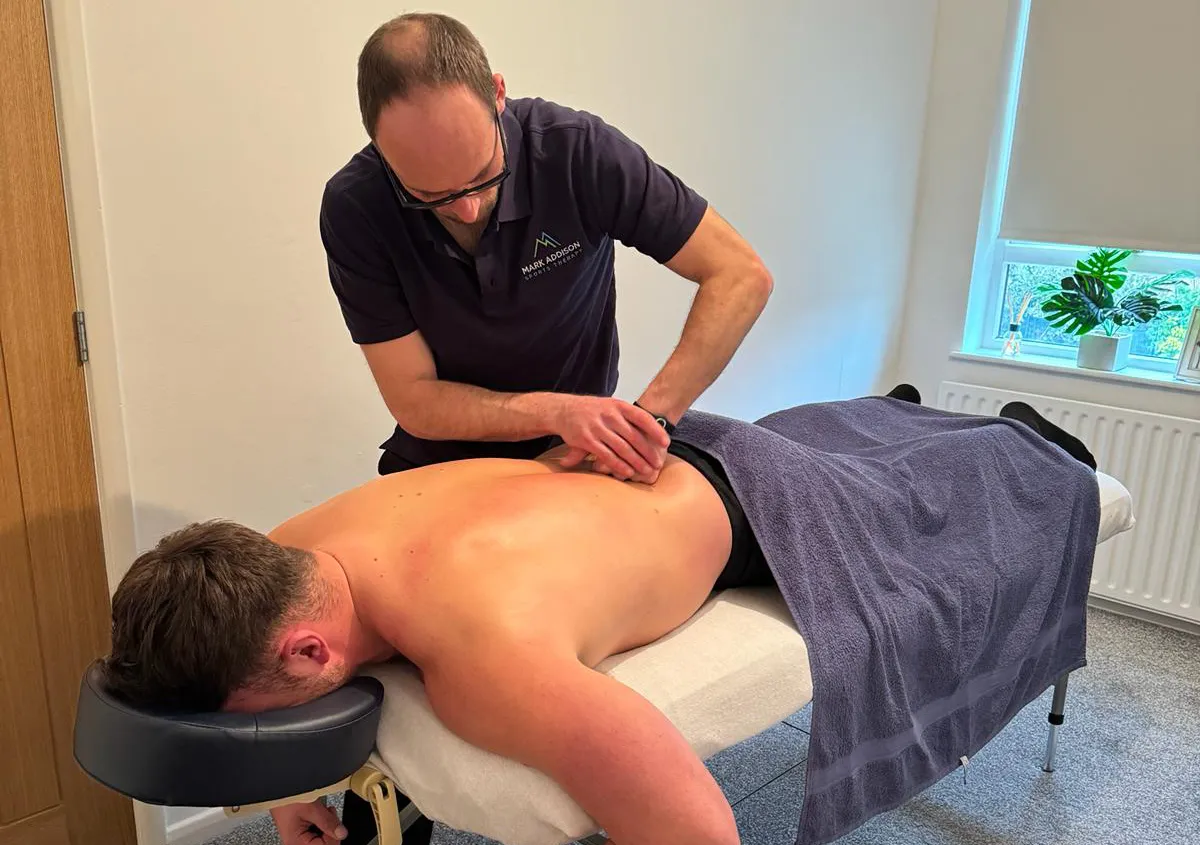
Soft tissue mobilisation (STM) is a highly effective hands-on therapy technique designed to improve the mobility, flexibility, and overall function of muscles and connective tissues. By manually separating muscles from each other and gently moving them away from bones, STM addresses restrictions, adhesions, and tension within the soft tissue structures.
This treatment is especially beneficial for athletes, helping them enhance performance, recover from injury, and maintain long-term health.
What is Soft Tissue Mobilisation?
Soft tissue mobilisation involves the therapist using precise manual techniques to manipulate the muscles, tendons, ligaments, and fascia. These manipulations help reduce tension, improve circulation, and address soft tissue dysfunction.
Unlike static stretching or general massage, STM focuses on breaking down adhesions (sticky areas where tissue layers have become bound together) and restoring movement between layers of tissue.
This technique is especially useful for individuals with restricted range of motion, chronic pain, or scar tissue from past injuries. By targeting problem areas and facilitating proper tissue alignment, STM creates a more efficient and balanced musculoskeletal system.
How does Soft Tissue Mobilisation work?
The process of soft tissue mobilisation is both deliberate and dynamic, involving several key steps:
1. Assessment of Tissue Restrictions
The therapist begins by palpating the muscles and soft tissues to locate areas of tightness, adhesion, or restriction. This can include “knots” in the muscles or areas where tissue mobility is noticeably reduced.
2. Manual Techniques
Using their hands, elbows, or specialised tools, the therapist applies various forms of pressure and movement to loosen up the tissue. Techniques may include kneading, stretching, and sustained pressure to break down adhesions and increase tissue glide.
3. Targeting Fascia and Muscle Layers
STM often includes work on the fascia, a connective tissue network that surrounds muscles and organs. When fascia becomes tight or scarred due to overuse, injury, or poor posture, it can restrict movement and cause pain. STM helps restore the fascia’s natural elasticity and function.
4. Movement Integration
The therapist may guide the client through passive or active movements during the treatment to further encourage separation of muscle layers and promote functional movement patterns.
Benefits of Soft Tissue Mobilisation for Athletes
Athletes subject their bodies to repetitive movements, high-impact stress, and intense physical demands, all of which can create tightness, adhesions, and mobility issues. Soft tissue mobilisation offers a range of benefits, including:
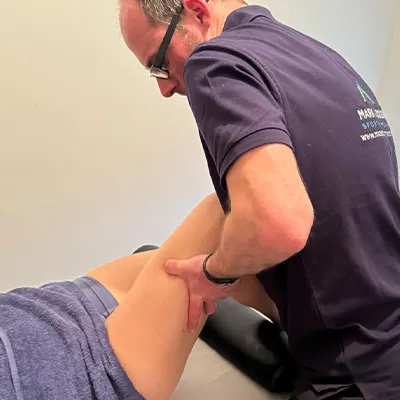
Improved Range of Motion
STM separates and lengthens muscle fibers, allowing joints and tissues to move more freely. This can lead to improved flexibility and mobility, which are essential for athletes seeking optimal performance.
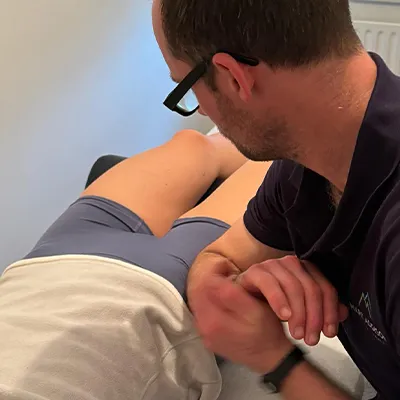
Enhanced Healing and Recovery
By increasing blood flow and stimulating the lymphatic system, STM promotes the removal of waste products from tissues and accelerates the healing process.
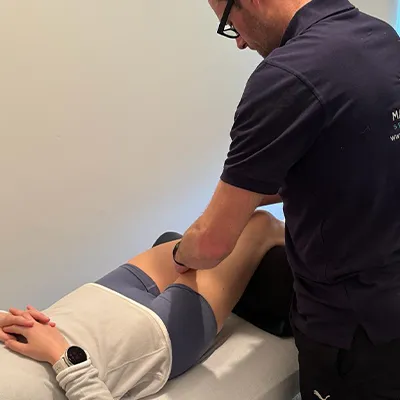
Reduced Pain and Stiffness
Adhesions and tightness in soft tissues are common sources of chronic pain for athletes. By breaking these down, STM alleviates pain and stiffness, making training and daily activities more comfortable.
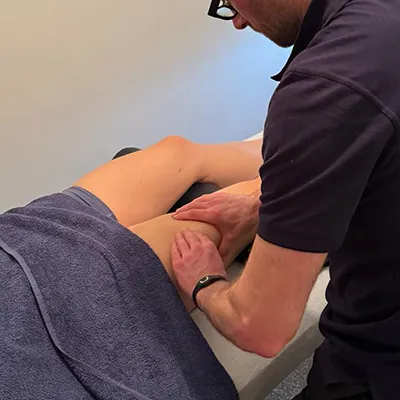
Improved Athletic Performance
With freer movement and reduced discomfort, athletes can achieve better technique, efficiency, and endurance in their chosen sport.
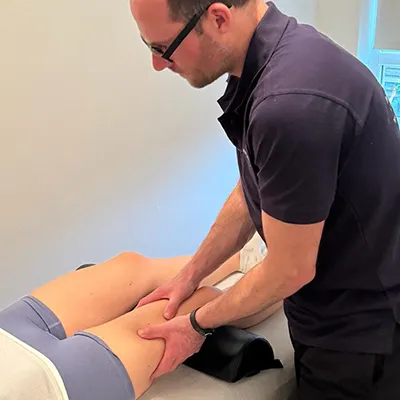
Decreased Risk of Injury
Restoring tissue mobility and elasticity reduces the risk of strains, tears, and overuse injuries. For runners, for instance, STM can prevent common issues like Achilles tendinopathy or IT band syndrome.
Want to find out more about STM?
If you’re struggling with an injury or condition and think that Soft Tissue Mobilisation therapy could be the answer, then please get in touch. We’re happy to chat further and help provide the right treatment for you.
Benefits of Soft Tissue Release for Athletes
Soft tissue release offers a wide range of benefits, particularly for those involved in sports like running, cycling, football, or tennis, where repetitive motions and high-impact activity can lead to muscular imbalances and soft tissue strain. Key benefits include:
STM separates and lengthens muscle fibers, allowing joints and tissues to move more freely. This can lead to improved flexibility and mobility, which are essential for athletes seeking optimal performance.
By increasing blood flow and stimulating the lymphatic system, STM promotes the removal of waste products from tissues and accelerates the healing process.
Adhesions and tightness in soft tissues are common sources of chronic pain for athletes. By breaking these down, STM alleviates pain and stiffness, making training and daily activities more comfortable.
With freer movement and reduced discomfort, athletes can achieve better technique, efficiency, and endurance in their chosen sport.
Restoring tissue mobility and elasticity reduces the risk of strains, tears, and overuse injuries. For runners, for instance, STM can prevent common issues like Achilles tendinopathy or IT band syndrome.
Common Uses of STM in Sports Therapy
Soft tissue mobilisation is frequently used to address conditions such as:
- Muscle Strains and Sprains
STM can help restore proper alignment and reduce scar tissue in injured muscles. - Post-Surgery Rehabilitation
This technique helps reduce scar tissue buildup, restoring mobility after surgery. - Tendonitis
By reducing tension in the muscles around inflamed tendons, STM promotes healing. - Fascial Tightness
Runners and cyclists, in particular, may benefit from STM to loosen tight fascia in the calves, quads, or IT band.
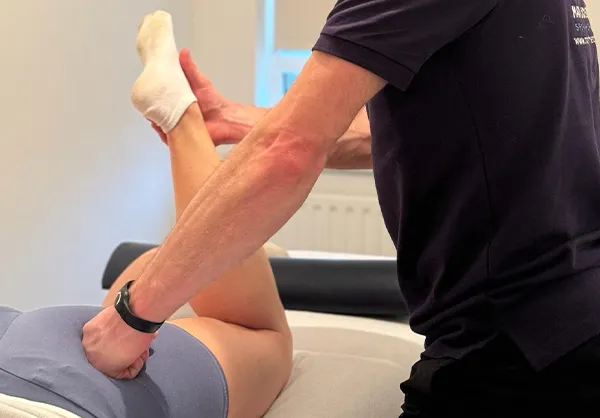
Discover the Benefits of Soft Tissue Mobilisation
Whether you’re recovering from an injury, experiencing chronic pain, or simply looking to improve your athletic performance, soft tissue mobilisation offers a powerful and personalized approach to musculoskeletal health. Working with a skilled sports therapist ensures targeted and effective treatment tailored to your unique needs, helping you achieve lasting results and optimal movement.