

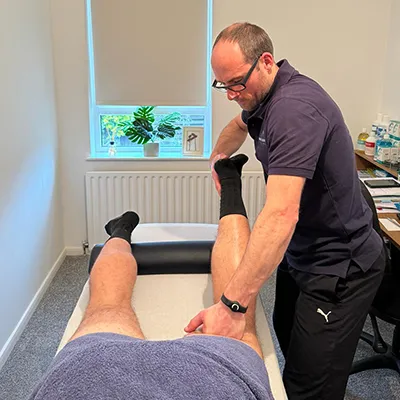
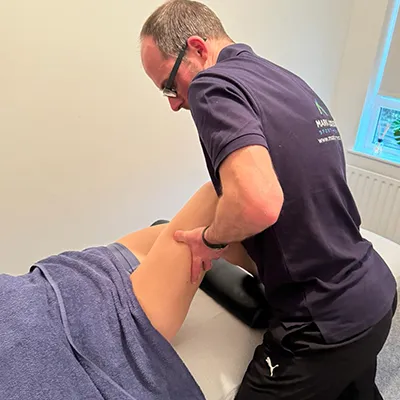
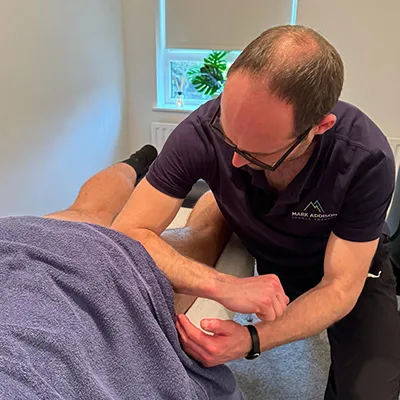
Soft tissue release (STR) is a highly effective and advanced manual therapy technique aimed at assessing, treating, and stretching the soft tissues of the body, including muscles, tendons, and fascia.
By targeting specific areas of tension and dysfunction, this method helps restore balance, flexibility, and optimal movement, making it invaluable for athletes and sports enthusiasts of all levels.
TREATMENTS
Soft Tissue Release: An Essential Tool for Athletes
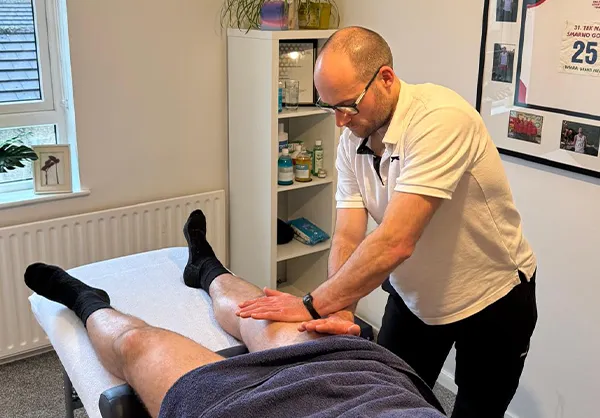
Soft tissue release (STR) is a highly effective and advanced manual therapy technique aimed at assessing, treating, and stretching the soft tissues of the body, including muscles, tendons, and fascia.
By targeting specific areas of tension and dysfunction, this method helps restore balance, flexibility, and optimal movement, making it invaluable for athletes and sports enthusiasts of all levels.
What is Soft Tissue Release?
Soft tissue release is more than just stretching. It combines a series of manual manipulations, active or passive movements, and precise pressure applied to affected areas to alleviate tension and improve mobility.
The technique focuses on breaking down adhesions and scar tissue within the soft tissues, often formed due to repetitive strain, overuse, or injury. It’s a dynamic and individualised approach tailored to meet the unique demands of each athlete’s body.
STR is often incorporated into sports massage treatments and is especially beneficial for targeting deep-seated tension or chronic tightness that might not respond to more general massage techniques.
For runners, who experience repetitive strain in areas like the hamstrings, calves, and iliotibial (IT) band, soft tissue release can be a game-changer in both performance and injury prevention.
What is Soft Tissue Release?
Soft tissue release is more than just stretching. It combines a series of manual manipulations, active or passive movements, and precise pressure applied to affected areas to alleviate tension and improve mobility.
The technique focuses on breaking down adhesions and scar tissue within the soft tissues, often formed due to repetitive strain, overuse, or injury. It’s a dynamic and individualised approach tailored to meet the unique demands of each athlete’s body.
STR is often incorporated into sports massage treatments and is especially beneficial for targeting deep-seated tension or chronic tightness that might not respond to more general massage techniques.
For runners, who experience repetitive strain in areas like the hamstrings, calves, and iliotibial (IT) band, soft tissue release can be a game-changer in both performance and injury prevention.
How does Soft Tissue Release work?
The soft tissue release process generally involves three key elements:
1. Locating the Area of Tension
The therapist uses palpation techniques to identify areas of restriction or “knots” in the muscles, tendons, or fascia. These points may feel tender or tight and can often correspond to regions of pain or stiffness reported by the client.
2. Applying Targeted Pressure
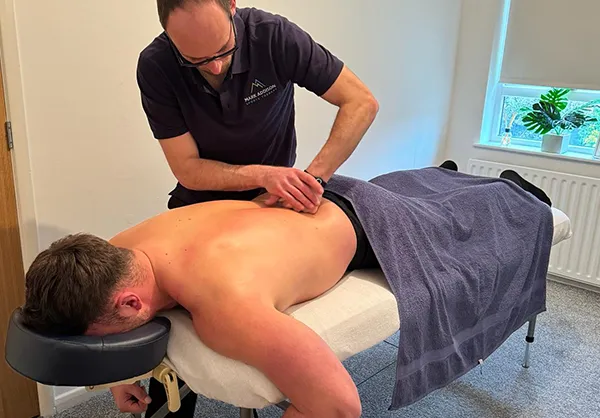
Once the problem area is identified, the therapist applies precise pressure using their fingers, knuckles, or even elbows. This pressure helps to engage and isolate the specific muscle fibers or tissue layers that require release.
3. Active or Passive Movement
The client may be guided through specific movements while the therapist maintains pressure on the affected area. These movements stretch the muscle in a controlled manner, helping to release tension, break up adhesions, and restore normal function. This combination of pressure and movement distinguishes STR from traditional static stretching.
How does Soft Tissue Release work?
The soft tissue release process generally involves three key elements:
1. Locating the Area of Tension
The therapist uses palpation techniques to identify areas of restriction or “knots” in the muscles, tendons, or fascia. These points may feel tender or tight and can often correspond to regions of pain or stiffness reported by the client.
2. Applying Targeted Pressure
Once the problem area is identified, the therapist applies precise pressure using their fingers, knuckles, or even elbows. This pressure helps to engage and isolate the specific muscle fibers or tissue layers that require release.
3. Active or Passive Movement
The client may be guided through specific movements while the therapist maintains pressure on the affected area. These movements stretch the muscle in a controlled manner, helping to release tension, break up adhesions, and restore normal function. This combination of pressure and movement distinguishes STR from traditional static stretching.
Benefits of Soft Tissue Release for Athletes
Soft tissue release offers a wide range of benefits, particularly for those involved in sports like running, cycling, football, or tennis, where repetitive motions and high-impact activity can lead to muscular imbalances and soft tissue strain. Key benefits include:
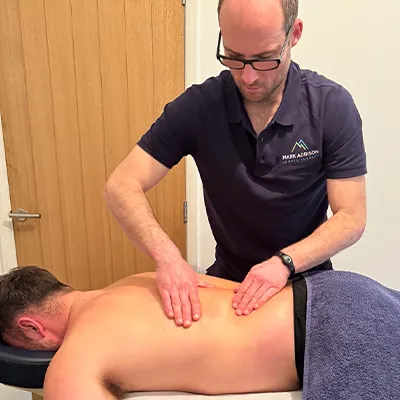
Improved Flexibility
STR helps lengthen and restore elasticity to tight muscles, improving overall range of motion. For runners, this can mean greater stride efficiency and less stiffness after long training sessions.
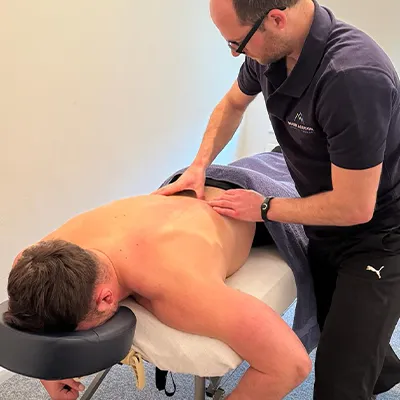
Enhanced Recovery
By increasing circulation and breaking down adhesions, soft tissue release promotes faster healing and recovery from training, races, or minor injuries.
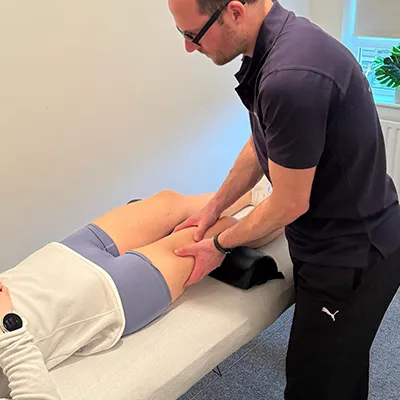
Injury Prevention
Many sports injuries, such as shin splints, plantar fasciitis, and IT band syndrome, arise from muscular tightness or imbalances. STR addresses these root causes, reducing the risk of injury.
Pain Reduction
Chronic muscle tension often results in pain or discomfort during activity. By releasing this tension, STR can help alleviate pain, allowing athletes to train and perform without restrictions.
Restored Muscle Balance
Overuse and repetitive strain can lead to compensations in the body, where one muscle group becomes overworked while another weakens. STR helps restore balance by targeting and releasing the overactive muscles.
Want to find out more about STR?
If you’re struggling with an injury or condition and think that Soft Tissue Release therapy could be the answer, then please get in touch. We’re happy to chat further and help provide the right treatment for you.
Benefits of Soft Tissue Release for Athletes
Soft tissue release offers a wide range of benefits, particularly for those involved in sports like running, cycling, football, or tennis, where repetitive motions and high-impact activity can lead to muscular imbalances and soft tissue strain. Key benefits include:
STR helps lengthen and restore elasticity to tight muscles, improving overall range of motion. For runners, this can mean greater stride efficiency and less stiffness after long training sessions.
By increasing circulation and breaking down adhesions, soft tissue release promotes faster healing and recovery from training, races, or minor injuries.
Many sports injuries, such as shin splints, plantar fasciitis, and IT band syndrome, arise from muscular tightness or imbalances. STR addresses these root causes, reducing the risk of injury.
Chronic muscle tension often results in pain or discomfort during activity. By releasing this tension, STR can help alleviate pain, allowing athletes to train and perform without restrictions.
Overuse and repetitive strain can lead to compensations in the body, where one muscle group becomes overworked while another weakens. STR helps restore balance by targeting and releasing the overactive muscles.
Why Runners Benefit from Soft Tissue Release
Running places significant demands on the body, particularly on the lower extremities. Areas like the calves, quads, hamstrings, and glutes often bear the brunt of repetitive motion, while the IT band and fascia can become tight and restrictive. Soft tissue release helps runners by:
- Addressing common issues like calf tightness, Achilles tendon stiffness, and hamstring strains.
- Improving hip and knee mobility, which are critical for maintaining proper running form.
- Releasing tension in the IT band, which can help prevent or alleviate runner’s knee.
Why Runners Benefit from Soft Tissue Release
Running places significant demands on the body, particularly on the lower extremities. Areas like the calves, quads, hamstrings, and glutes often bear the brunt of repetitive motion, while the IT band and fascia can become tight and restrictive. Soft tissue release helps runners by:
- Addressing common issues like calf tightness, Achilles tendon stiffness, and hamstring strains.
- Improving hip and knee mobility, which are critical for maintaining proper running form.
- Releasing tension in the IT band, which can help prevent or alleviate runner’s knee.
Take the Next Step in Your Recovery and Performance
Whether you’re training for a marathon, recovering from an injury, or simply looking to improve your overall flexibility and performance, soft tissue release offers a targeted and effective solution. By working with Mark Addison Sports Therapy you can identify problem areas, address imbalances, and achieve your athletic goals with confidence.
Take the Next Step in Your Recovery and Performance
Whether you’re training for a marathon, recovering from an injury, or simply looking to improve your overall flexibility and performance, soft tissue release offers a targeted and effective solution. By working with Mark Addison Sports Therapy you can identify problem areas, address imbalances, and achieve your athletic goals with confidence.